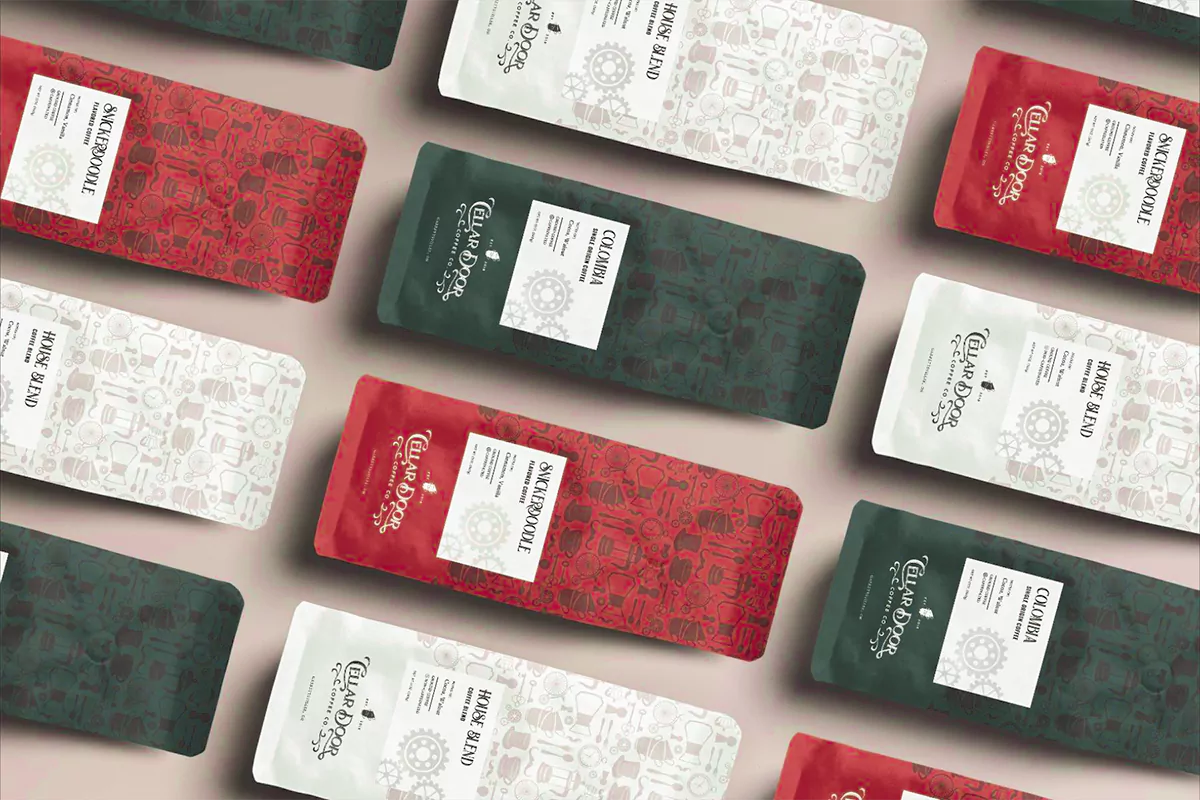
According to a 2024 Specialty Coffee Association survey of 4,200 consumers, 73% of daily coffee drinkers choose brands based on packaging footprint, driving a 29% sales lift for roasters using certified home-compostable materials over traditional multi-layer plastics.
Transitioning away from conventional aluminum-bonded plastics directly prevents an average of 42 grams of non-recyclable solid waste per 12-ounce bag from entering regional landfills. Traditional aluminum foil laminates require high-heat chemical thermal separation that fewer than 4% of municipal recycling plants globally can process as of 2025. Modern plant-based barrier films made from sugarcane-derived polyethylene utilize up to 60% less fossil-fuel energy during manufacturing raw material synthesis.
Lowering product life-cycle energy consumption directly converts eco-conscious shoppers into active repeat buyers through measurable carbon reduction proofs.
Visual shelf appeal transforms instantly when consumers touch natural textured paper fibers instead of slick petrochemical plastics. In a 2023 retail eye-tracking study featuring 350 test participants, shoppers focused on kraft paper coffee bags for 2.8 seconds longer than glossy synthetic pouches during initial shelf scans. This extended physical interaction window creates an immediate tactile cue of product freshness, organic farming sourcing, and raw material purity.
| Material Type | Municipal Recyclability Rate | Decomposition Time | Avg. Cost Premium Per Unit |
| Traditional Foil Laminate | 3.2% | 450+ Years | $0.00 (Base) |
| Mono-Material PE | 68.5% | 90–120 Days (Recycled) | +$0.06 |
| PLA Plant-Resin Line | 82.1% | 180 Days (Industrial) | +$0.12 |
Beyond physical visual attributes on grocery shelves, clear operational disposal labeling directly reduces buyer friction during their daily home brewing routine. Over 54% of European coffee buyers surveyed in 2025 abandoned brand purchases due to confusing or absent recycling instructions printed on the outer pouch back panel. Printing explicit, certified standard icons for home composting or single-stream curbside collection removes uncertainty at the moment of disposal.
Eliminating user guesswork during daily waste sorting increases customer retention rates among environmentally dedicated demographic groups by 31%.
Clear disposal protocols build long-term trust, which directly strengthens ongoing subscription business models for independent roasters. Subscription data from 120 North American specialty coffee roasters recorded a 24-month customer lifetime value increase of $142 per user after converting shipping supplies to bio-based materials. Consumers actively share these unboxing experiences online, creating organic user-generated content that lowers customer acquisition costs across digital channels.
-
Lower acquisition costs: Organic social sharing cuts digital advertising spend per new subscriber by roughly 18%.
-
Higher retention metrics: Monthly subscription churn rates drop from 8.5% down to 4.1% over a 12-month tracking period.
-
Increased order value: Shoppers add secondary retail items to their carts 22% more frequently when brands hold clear B-Corp environmental certifications.
Higher lifetime retention rates provide roasters with stable revenue streams, allowing them to reinvest capital back into direct-trade sourcing from smallholder farms. A 2024 supply chain audit involving 85 Colombian coffee growers demonstrated that certified sustainable brands paid farm workers 27% higher wages than fair-trade baseline minimums. Highlighting these real-world social impacts directly on sustainable packaging connects consumer spending to verified global agricultural improvements.