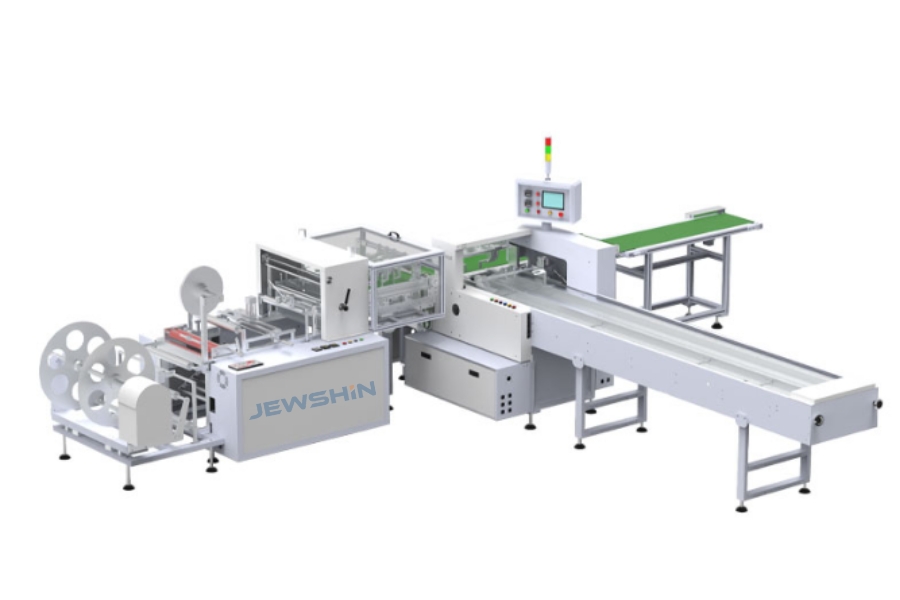
A top-tier packaging machinery manufacturer stands out through engineering accuracy, production reliability, customization ability, and worldwide service support. Manufacturers with advanced automation systems can help factories achieve more than 95% equipment uptime, reduce material waste by 10–30%, and improve production consistency across food, pharmaceutical, cosmetic, and industrial sectors. Global buyers increasingly evaluate suppliers through machine performance, lifecycle support, energy efficiency, and integration with smart factory systems rather than equipment price alone.
The global packaging industry has changed significantly since 2020, with companies investing more in automated production lines to manage labor shortages, rising operating costs, and increasing product variety. A professional packaging machinery manufacturer provides complete equipment solutions that combine mechanical design, software control, and production optimization. Many modern machines use servo systems, PLC controls, and digital monitoring platforms to maintain stable operation during long production cycles.
A packaging line running at 120–300 packages per minute requires precise synchronization between feeding, filling, sealing, labeling, and inspection systems to avoid quality problems.
Engineering capability separates experienced manufacturers from companies that only assemble standard machines. High-level suppliers usually maintain dedicated research and development teams, conduct thousands of hours of machine testing, and improve designs based on customer production data. Since 2015, industrial automation adoption in packaging facilities has increased steadily, with many factories replacing manual processes with integrated systems that improve accuracy and production speed.
Machine reliability depends on many design details, including frame strength, component selection, temperature control accuracy, and software stability. A packaging system used in a pharmaceutical facility may need extremely accurate filling control, while a food packaging line may require fast cleaning procedures and strict hygiene standards.
| Application Area | Common Requirements | Typical Equipment Features |
|---|---|---|
| Food Processing | Hygiene, speed, consistent sealing | Stainless steel structure, automated cleaning support |
| Pharmaceutical | Precision and traceability | High-accuracy filling, inspection systems |
| Cosmetics | Flexible packaging formats | Quick changeover design |
| Industrial Goods | Durability and high output | Heavy-duty mechanical components |
Customization ability also affects how well machinery performs in different production environments. A factory producing 50,000 units per day may have completely different requirements from a smaller facility producing 5,000 units daily. Professional manufacturers evaluate product size, packaging material, production volume, and future expansion plans before designing equipment.
A customized packaging system can reduce manual adjustment time by 20–40% when compared with equipment designed only for general applications.
Modern packaging companies often require machines that can handle multiple package sizes without long shutdown periods. Quick-change mechanisms, adjustable conveyors, and programmable settings allow operators to switch between products faster. In industries such as beverages and personal care products, where product lines may change several times per week, flexible equipment design becomes increasingly important.
Automation technology has become a major part of packaging equipment development. Many factories now connect packaging machines with manufacturing execution systems (MES) and enterprise software platforms to collect production information. According to industrial automation reports published after 2021, smart manufacturing technologies have expanded across sectors because companies need better production visibility and equipment management.
Sensors, cameras, and digital controllers allow machines to detect problems during operation. Vision inspection systems can check labels, package positions, and sealing quality at high speed. Some automated inspection systems can process thousands of products per hour while maintaining accuracy above 98%.
Energy consumption is another factor considered by international buyers. Packaging equipment operates continuously, so small improvements in power efficiency can reduce long-term operating expenses. Manufacturers improve energy performance through efficient motors, optimized heating systems, lightweight components, and intelligent machine control.
| Technology | Production Improvement |
|---|---|
| Servo motor control | Higher positioning accuracy and smoother operation |
| Machine vision | Faster quality inspection |
| IoT monitoring | Real-time equipment information |
| Automated adjustment | Reduced setup time |
Material efficiency has also become important as companies work to reduce waste and improve sustainability. Packaging machinery designed after 2020 often includes better film control, accurate cutting systems, and improved sealing technology. In some applications, optimized machine settings can reduce packaging material waste by approximately 5–15%.
Manufacturing quality inspection plays an important role in equipment performance. Reliable manufacturers follow international quality standards and conduct multiple testing stages before shipment. These processes usually include mechanical inspection, electrical testing, software verification, and full production simulation.
A machine that passes factory testing under real production conditions can reduce installation problems after delivery.
International customers also pay attention to after-sales service because packaging equipment often becomes part of continuous production operations. A supplier with technical support teams, remote assistance, spare parts management, and operator training can help factories maintain stable production.
For multinational companies, service response time can influence equipment selection. Remote monitoring systems introduced in recent years allow engineers to identify many software or operation issues without visiting the production site. This approach can shorten troubleshooting periods and reduce production interruptions.
Global experience is another factor that influences manufacturer selection. Companies with projects across different regions usually understand various production standards, packaging materials, and industry requirements. Their experience allows them to recommend suitable machine configurations based on actual operating conditions.
A strong manufacturer also focuses on long-term cooperation instead of one-time equipment sales. Many successful suppliers work with customers during machine installation, production testing, and later upgrades. Equipment improvements based on operational feedback help companies maintain better performance as their products and production requirements change.
Environmental requirements are also influencing packaging machinery design. Since 2018, many brands have increased their use of recyclable materials and lightweight packaging formats. Machinery manufacturers have responded by developing systems that handle thinner films, paper-based materials, and alternative packaging structures.
Equipment designed for sustainable packaging must maintain production speed while supporting new material characteristics.
The future packaging market will continue developing around automation, flexibility, energy efficiency, and digital management. Companies selecting a machinery supplier usually compare machine accuracy, production capacity, maintenance support, technology level, and previous industry experience.
A top-tier packaging machinery manufacturer provides more than a physical machine. It delivers engineering knowledge, production stability, and technical support that help manufacturers maintain efficient operations across different markets. With packaging demand continuing to expand after 2025, suppliers that combine reliable equipment design with modern automation technologies will remain competitive in global markets.